






.svg)
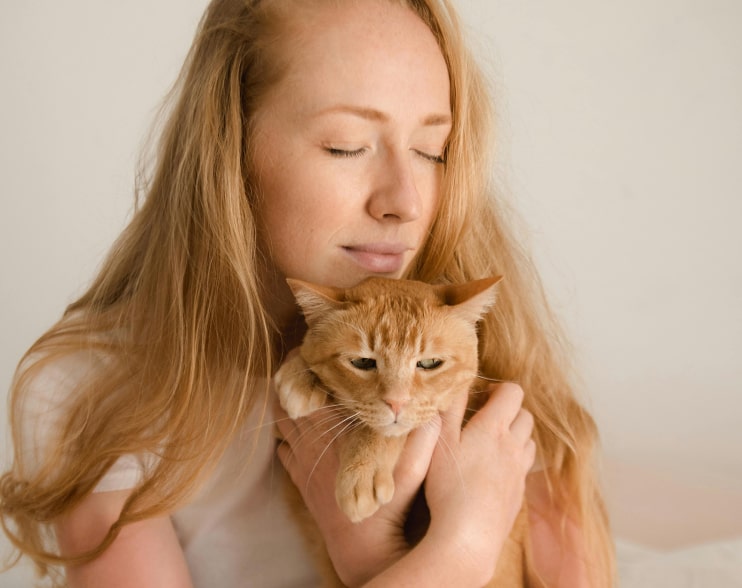
Bringing a new kitten home is one of life's great pleasures, and one of the kindest things you can do for them early on is get them comfortable with being handled. Grooming isn't just about keeping your kitten looking tidy — it's a chance to check their skin, coat, eyes, ears and claws regularly, and to build the trust that makes future vet visits far less stressful.
Kittens have short attention spans, so the aim in the first few weeks isn't a full groom — it's getting them used to being touched. A few minutes a day handling paws, ears and tail, followed by a gentle brush, is enough to build a positive association. Choose a calm moment, perhaps after a nap or a meal, and stop before your kitten gets restless. Pairing handling with a small treat or some quiet praise helps your kitten learn that these sessions are nothing to worry about.
It's worth remembering that every kitten is different. Some take to handling straight away, while others need weeks of short, gentle sessions before they're relaxed about it. Patience here pays off for years — a cat that's comfortable being handled is easier to care for at every stage of life, from routine grooming to medicating them if they're ever unwell.
Brushing two or three times a week helps remove loose fur, reduces hairballs, and gives you an early look at anything that might need attention, such as fleas, mats, or unusual lumps. For long-haired breeds, more frequent brushing — ideally every day or two — prevents matting before it starts, particularly around the armpits, behind the ears and under the tail.
A quick weekly check of your kitten's ears and eyes lets you spot discharge, redness or odour early. Gently wiping around (not inside) the ear with a soft, damp cloth is usually enough at this stage. Getting your kitten used to having their mouth handled gently now also makes toothbrushing, if you choose to introduce it later, much easier to establish.
A kitten that's relaxed about being handled at home is usually a much calmer patient on the exam table too.
Nail trims, ear cleaning and anything involving a wriggly kitten and clippers are often easier left to your vet or a nurse in the early stages. It's also a great opportunity to combine grooming with a general health check — our small animal team offers nurse clinics where handling, nail care and general wellbeing checks can all be covered in one relaxed appointment. If you're ever unsure whether something you've spotted during grooming is normal, it's always worth asking rather than waiting.
Two to three times a week is a good starting point for short-haired kittens, increasing to daily for long-haired breeds as their adult coat comes through.
Go slowly. Short, very brief sessions — even just a few seconds — repeated often, tend to work better than longer sessions less frequently. Building up gradually, with plenty of positive reinforcement, usually gets there in the end.
There's no strict age, but getting your kitten used to having their paws handled from as early as possible makes the transition to actual nail trims much smoother when the time comes.
Getting grooming right from the start sets your kitten up for a lifetime of calmer vet visits and easier home care — a small investment of time now that pays off for years to come.
